

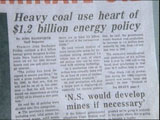

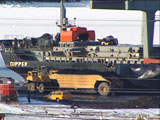
It was the oil crises of the 1970’s that moved both the national and provincial governments into efforts to become more energy independent and to free themselves from the vagaries of the OPEC nations. It was this movement that rejuvenated the coal mines in Cape Breton and attracted young men back to mining. Many of these men felt it was as honorable a call to national security and independence as the one that kept miners in the pits during the Second World War. The appeal of long term hard physical work until one retired appealed to a lot of these men as well.
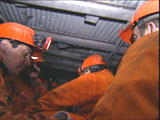
Fred Currie of Glace Bay was one of these young men who answered that call. Twenty-four years later the federal government changed its mind again, and shut down the Cape Breton coal mines leaving hundreds of miners short of pension years with small severance packages and what looked like no where to go. Three years ago, Fred Currie feared he was headed for the welfare rolls.
There were few jobs in Cape Breton and men like Fred who spent their entire work life in the pits felt they were unfit or untrained for jobs elsewhere. They were angry as well. They felt the government closed down the mines in an underhanded way, left them with few options on an island of high unemployment and now middle age with family responsibilities and homes not yet paid for. Pulling up stakes and trying to unload a house in a very depressed market was not an option for most. As one miner put it, the price of a house in a Cape Breton mining town would not buy a door to a trailer in Fort McMurray. The miners still get angry when they see shiploads of foreign coal unloaded every week to run the power plant their coal once ran.
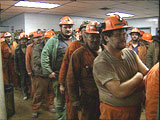
Land and Sea visits Fred Currie and the coal-mining town of New Waterford to see how people are coping since the last pit shut down almost three years ago.

