

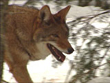



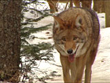
Coyotes arrived on Prince Edward Island only twenty years ago and they quickly made themselves right at home but they were not a welcomed visitor. It was the biggest predator Islanders had to cope with for until the coyote’s arrival their largest wild animal was the fox for there are no deer, moose or bears on the island.
The Eastern coyote is different than its western cousin. They bred with wolves as they spread east so they’re a little larger and taller and also more aggressive. Like wolves, they’re capable of hunting in packs and they’re very smart. The coyote invasion of Prince Edward Island was swift and simple for there was plenty of food and no natural predators. Add the qualities of intelligence, adaptability, and the willingness to eat anything that’s living or has lived, it was no surprise that people became worried and frightened for their children, their livestock and pets.
When livestock started disappearing and wolves started showing up in suburban driveways, the call to kill them, to put a bounty on them was heard loudly in the Legislature. But before anyone could pull a trigger the Minister of Environment struck a committee to find out if that was the best way to handle the coyote invasion.
This show meets the people who provided information and insight to that committee. There’s John Roach, the trapper, who found coyotes to be his biggest challenge but who believed a bounty would not work because it didn’t work in Nova Scotia. There’s wildlife biologist, Randy Dibblee, who explains why bounties don’t work and how coyotes respond to them. There’s Sarah Field, a masters student who, outfitted with the latest technology, discovered some interesting facts about how differently coyotes are faring in P.E.I. compared with other parts of Canada. We’ll also meet farmers who found creative methods to outwit the coyote.

